Can Mother’s Diet Prevent Early Sign of Food Allergy in Babies
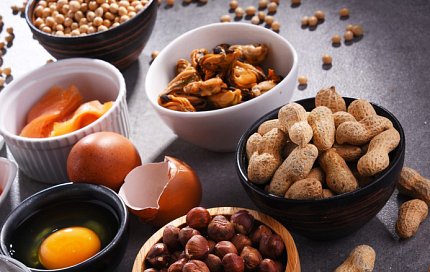
Photo: MONTICELLO/SHUTTERSTOCK
An NIH-sponsored clinical trial is testing whether maternal consumption of peanuts and eggs during pregnancy and breastfeeding prevents babies from developing an early sign of allergies to these foods. The study is called Expecting Mother’s Study of Consumption or Avoidance of Peanut and Egg (ESCAPE).
Peanut and egg are two of the most common early-childhood food allergens. The study will enroll non-allergic pregnant mothers whose babies are at high risk for food allergy because their mother has a close relative with allergies.
Studies have found that before some infants ever eat peanut or egg products, their immune systems have already produced an antibody called immunoglobulin E (IgE) against these foods. IgE is a precursor of food allergy. Early childhood food allergy prevention strategies may need to precede the introduction of solid foods.
The study team will enroll 504 mother-infant pairs. The mothers will be assigned at random to either eat or avoid peanut and egg, beginning in their third trimester and continuing through breastfeeding. Investigators will provide guidance on the amounts of peanut and egg to eat weekly or guidance on how to avoid eating them, as appropriate. The main goal of the study is to learn the proportion of infants in each group whose blood has IgE against peanut, egg or both at age 4 to 6 months, before they ever eat those foods. Mother-infant pairs will be followed until the children turn 1 year old.
More information about the trial, including contacts for people interested in participating, is available at ClinicalTrials.gov under study identifier NCT06260956.