Stories Can Increase Connections with Science
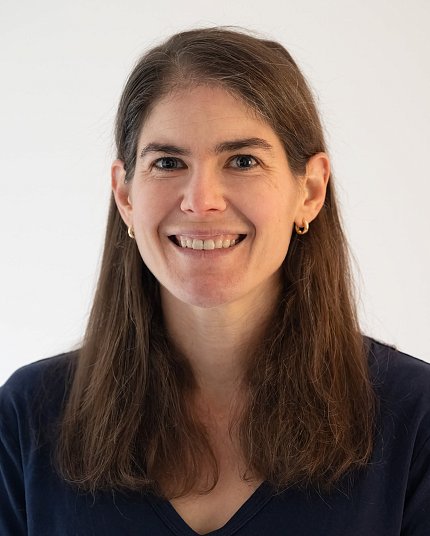
Storytelling can be an effective way to make science more relatable and memorable for the public, said Dr. Sarah Goodwin during a recent NIH Science of Science Communication interest group virtual meeting.
“We are primed as humans to engage with and appreciate stories,” said Goodwin, executive director of the Science Communication Lab (SCL), a nonprofit that tells the stories of science through film. “Stories have been shown to enable audiences to take in new information more quickly and easily and retain that information.”
Often, scientists communicate their research through scholarly journal articles and seminar lectures. They don’t share their motivations or the range of emotions they experience during the research process.
Goodwin and her colleagues take a different approach to communicating scientific information. The lab has released three feature-length documentaries and several short, documentary-style videos. They emphasize the human side of science and the scientific process.
“When we’re interviewing scientists about their research, we make sure we include their personal histories and what motivates their research and the research narrative, which is the sequence of events that led to a discovery or result,” Goodwin said.
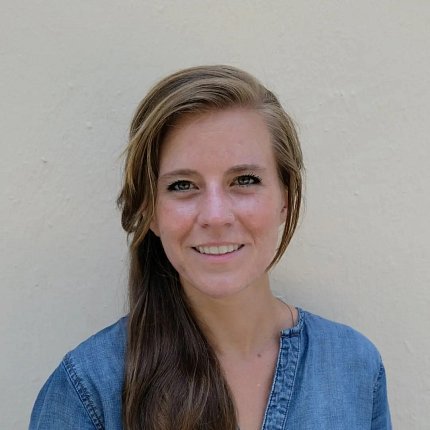
The SCL is measuring the effectiveness of storytelling in science communication, said Dr. Emily Howell, who conducts research and evaluation at the SCL.
In one study, the lab asked a representative sample of U.S. adults to watch one of four SCL-produced short documentaries. Each film relied on narrative storytelling, where the documentary’s subject shared personal anecdotes about their research. Then, the respondents reported how engaged they felt with the narrative and the characters.
Howell said respondents who reported higher levels of narrative engagement “had the highest levels of factual knowledge gain.” They were more likely to report being interested in the topic.
The SCL has also found that their films help students understand how scientists see themselves and the nature and process of science, said Goodwin. In a survey of undergraduates, almost three quarters of respondents said the films “changed their idea of what it means to be a scientist or researcher.” Students also reported the film showed them “science is a dynamic, iterative process that evolves over time.” Observer, their most recent film, is about the power of observation and science. In the documentary, filmmaker Ian Cheney brings scientists, naturalists, artists and a hunter to locations around the world, often without telling them where they are going, and asks them to describe what they see.
“We made sure that we didn’t just pick beautiful, faraway places,” Howell said. The goal was to convey, “Science exists everywhere, that many people can do science, that really anyone watching the film could do science.”
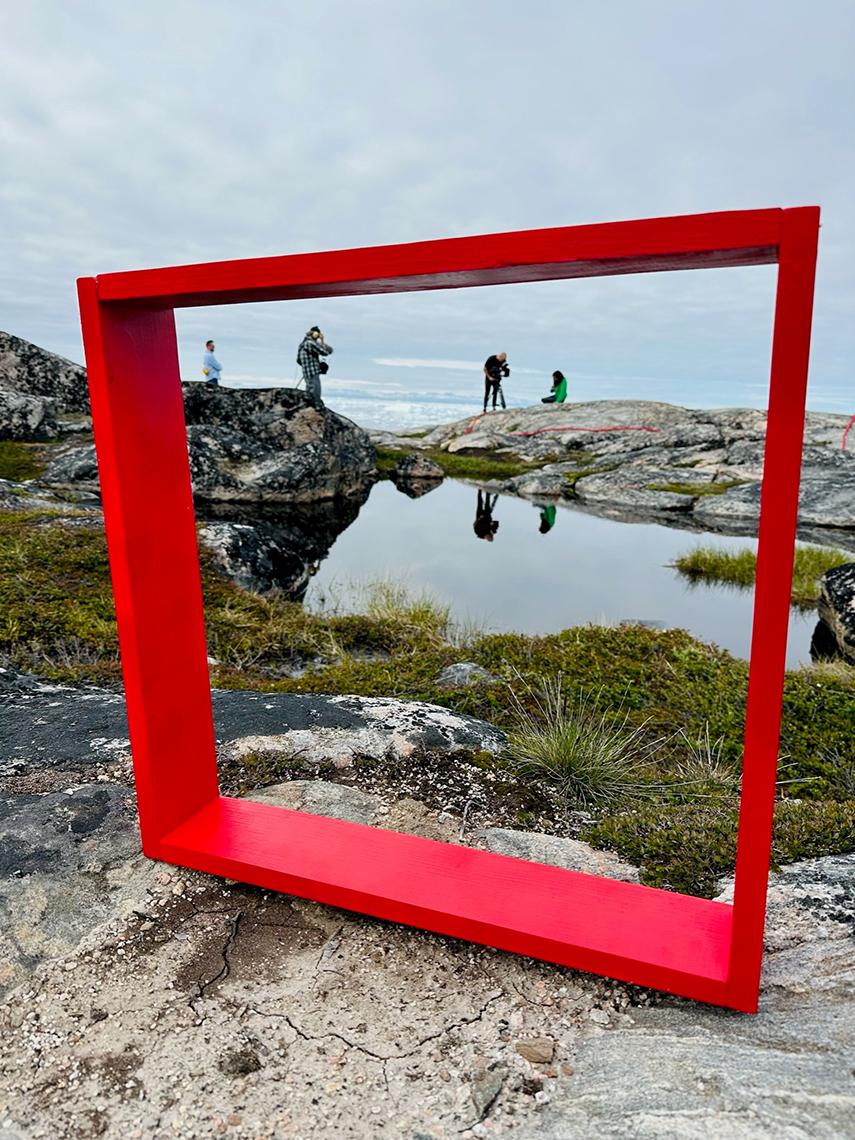
At screenings across the country, they distributed activity kits, which included a watercolor paint set, journal and a paper microscope called a Foldscope.
“Viewers enjoyed seeing the role of observation and being reminded of the child-like sense of curiosity that can be present in science,” Howell said.
Those who watched the film remarked it inspired them to go out and do something, she said. They, for instance, wanted to travel, reconnect with nature or go back to school.
Science becomes much more relatable when it’s human, Goodwin concluded. Stories “can give a greater understanding of how science works and shows the value.”
For more information about the SCL, see: https://sciencecommunicationlab.org/. For more information about Observer, see: https://www.observerfilm.org/.