Three NIH’ers Win Flemming Awards
Three NIH’ers are among the 12 public servants from several federal agencies who will be honored at the 76th annual Arthur S. Flemming Awards. Winners are recognized for performing outstanding service in the fields of applied science and engineering, basic science, leadership and management, legal achievement, social science, clinical trials and translational research.
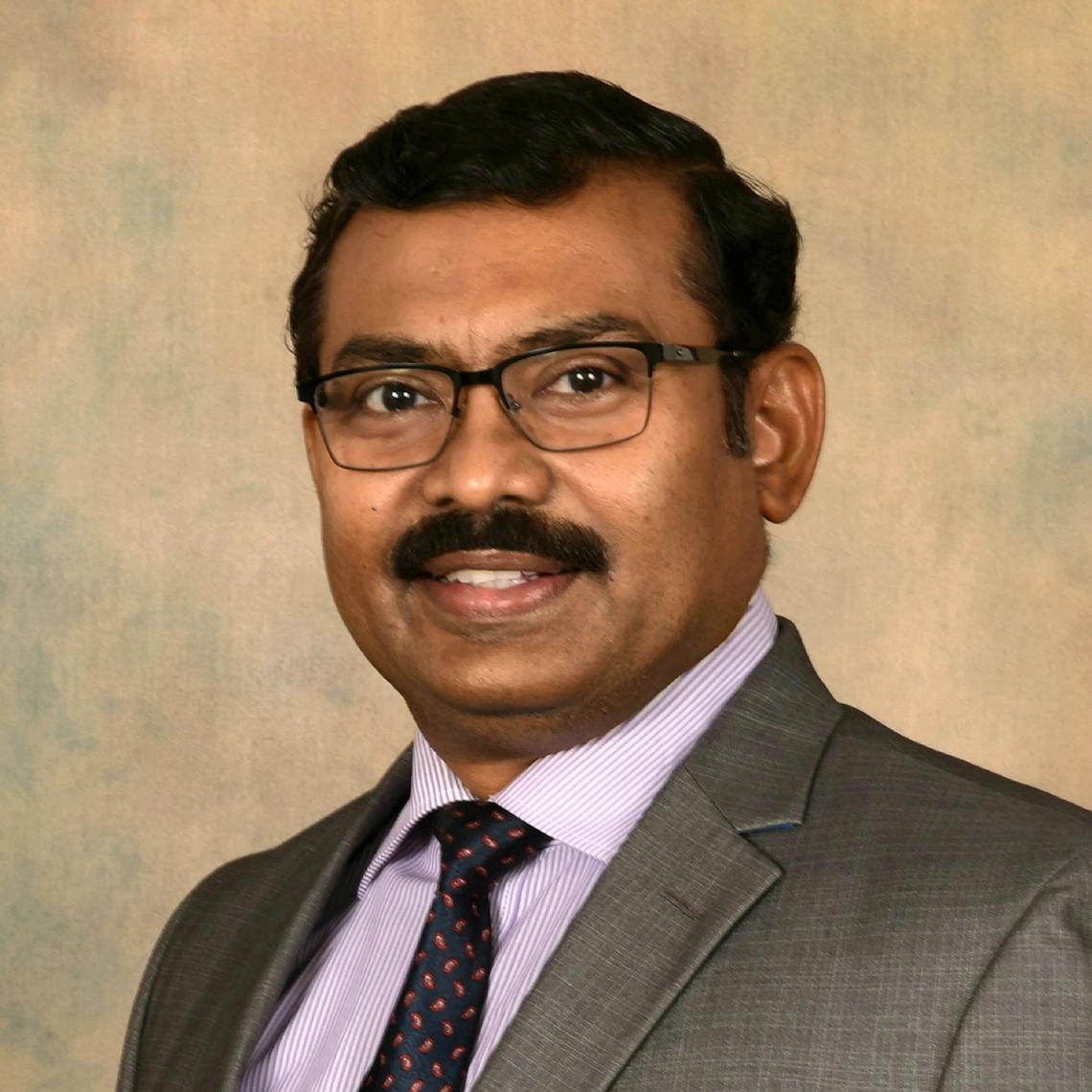
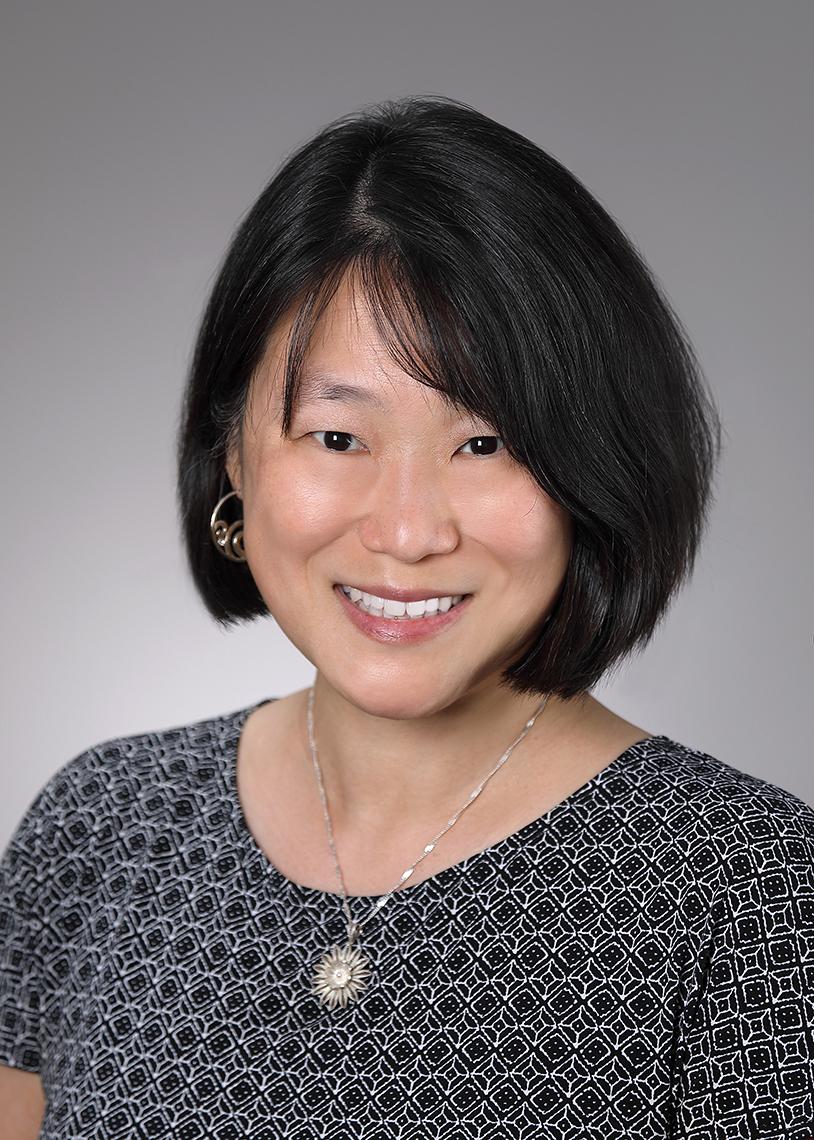
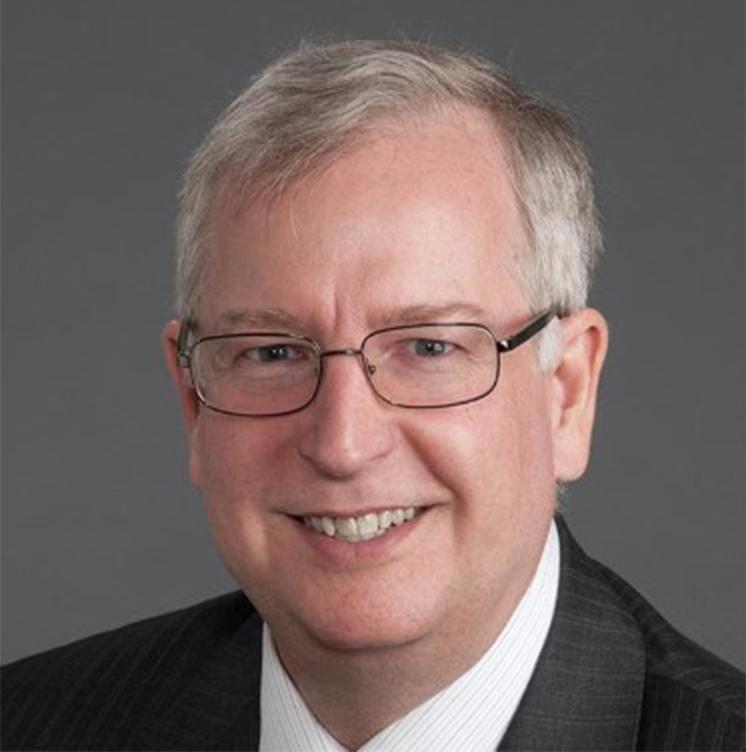
The two NIH awardees in the leadership and management category are: Dr. Supriyo De, who heads NIH’s computational biology and genomics core at NIH’s National Institute on Aging (NIA) and Dr. David Goff, deputy director for precision medicine and data science at NIH’s National Heart, Lung and Blood Institute (NHLBI). Dr. Sung-Yun Pai, senior investigator at NIH’s National Cancer Institute (NCI), will be awarded in the social science, clinical trials and translational research category.
These awards celebrate stellar employees with 3 to 15 years of federal service. Recipients are nominated by their agencies, selected through a competitive judging process. The awards are presented by the Arthur S. Flemming Awards Commission in partnership with the George Washington University Trachtenberg School of Public Policy and Public Administration and the National Academy of Public Administration.
The award recipients will be honored at a ceremony in November.
Dr. Supriyo De
De has helped establish the infrastructure toward finding solutions for healthy aging. His leadership and vision have led to a thriving genomics and data science program with a major training component at NIA. De has been central to establishing state-of-the-art high-throughput omics tools and data analysis infrastructure, including on-premises cloud computing at NIA’s intramural research program. These efforts have paved the way for important discoveries in the fields of aging and age-related pathologies including Alzheimer’s disease.
De has been instrumental in establishing robust communication and collaboration across NIH. Further exemplifying qualities of a leader, he has recruited trainees and staff with a wide range of expertise and has encouraged cutting-edge interdisciplinary scientific research.
Dr. David Goff
Goff guided a $2.1 billion cardiovascular research portfolio, spanning basic through clinical research across the lifespan. He has played a critical role in setting the nation’s cardiovascular research agenda, while being an exemplary leader of NHLBI’s Division of Cardiovascular Sciences.
Goff led the division’s strategic vision implementation plan, providing a roadmap of gaps and opportunities for researchers worldwide. Additionally, he led NHLBI-wide data science efforts to optimize and democratize the use of NHLBI-funded research datasets and biospecimens by the scientific community at large.
Goff has launched nationwide research initiatives, including ENRICH, a trans-HHS program to improve the health of at-risk mothers and babies; MOSAAIC, a unique study of health challenges in Asian American, Native Hawaiian and Pacific Islander communities; and HeartShare, a novel public-private collaboration to advance precision treatment of heart failure. He has also energized the division by cultivating a positive workplace culture.
Dr. Sung-Yun Pai
Pai is an internationally known pediatric hematologist/oncologist and physician-scientist who was cited for her seminal contributions in the field of inborn errors of immunity and its treatment with allogeneic stem cell transplant and gene therapy. Her work in these ultra-rare diseases, leading trials of up to 50 sites, has transformed the therapeutic approach in these diseases from a one-size-fits-all to personalized gene-specific medicine.
Her investigations have yielded important insights into disease pathogenesis and the impact of specific variants on clinical manifestations and treatment response. She leads a new branch at NCI and has restructured the transplant and gene therapy intramural program. She reorganized the program into disease and age-focused clinical services, created a program-wide scientific review process and instituted safety and quality reviews. The additional duties she took on as medical director have benefited the entire NIH transplant community.
Established in 1948, the award is named after Arthur Sherwood Flemming, a distinguished government official who served seven presidential administrations, most notably as secretary of the Department of Health, Education and Welfare.