NIH Launches Project on Whole-Person Health
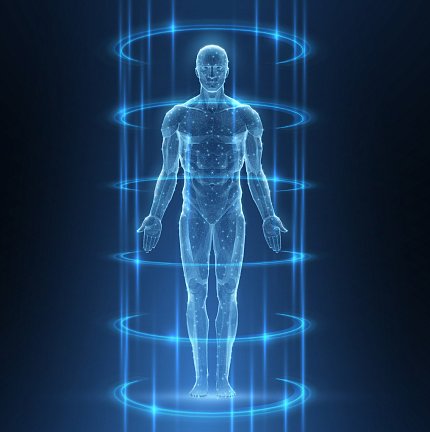
Photo: COREDESIGN/SHUTTERSTOCK
NIH has launched a landmark effort to advance research on whole-person health and create an integrated knowledge network of healthy physiological function.
“Biomedical research is largely organized around the study of specific organs and diseases,” said Dr. Helene Langevin, director of NIH’s National Center for Complementary and Integrative Health, which leads the NIH-wide program.
Whole-person health involves looking at the whole person—not just separate organs or body systems—and considering multiple factors that promote health. For example, a multicomponent lifestyle intervention including healthy diet, physical activity and stress management may improve multiple and interconnected aspects of health including cardiovascular (e.g. blood pressure), metabolic (e.g. glucose metabolism) and musculoskeletal function (e.g. muscle strength).
The five-year research initiative will proceed in several stages, drawing from existing scientific knowledge to develop a complete, working model of healthy human physiology. It will build on the NIH Human Reference Atlas (https://humanatlas.io/) and the Human BioMolecular Atlas Program (HuBMAP) (https://commonfund.nih.gov/HuBMAP) to connect the complex anatomy and function of the body’s different organs and systems into a single “map.”
Future stages of the project will link common clinical measures such as blood pressure, blood glucose and cholesterol to major physiological functions. This initiative will also populate the framework with existing human data and ultimately build and test an interactive model of whole-person health.
“By organizing healthy physiological function into a whole-body knowledge network, researchers will be able to explore scientific questions about health in a new way,” said Langevin. “With our ability to acquire new scientific data at an increasingly dizzying speed, the importance of integrating and connecting new data to what we already know is greater than ever. The Whole Person Reference Physiome will lay a foundation for understanding the factors that drive declines in health and mechanistic pathways to health restoration.”