NIH Remembers Becker
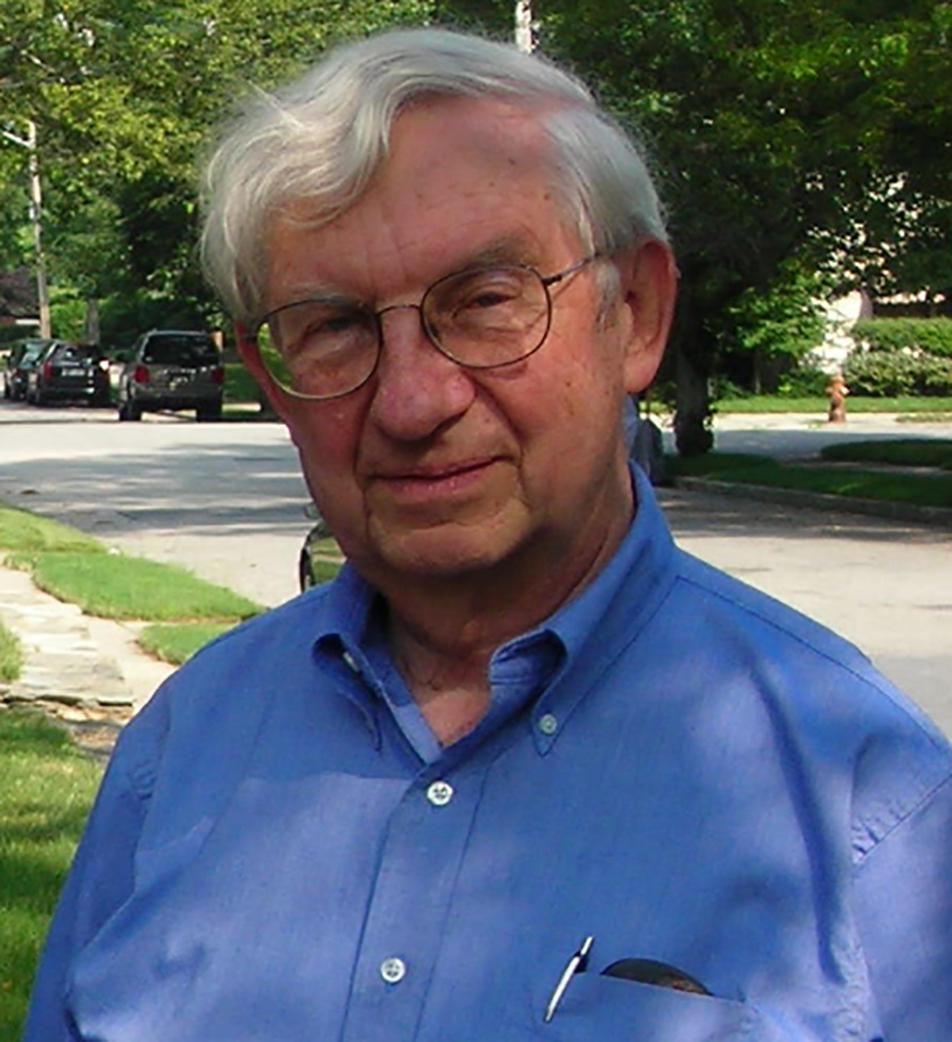
Photo: CARL BECKER
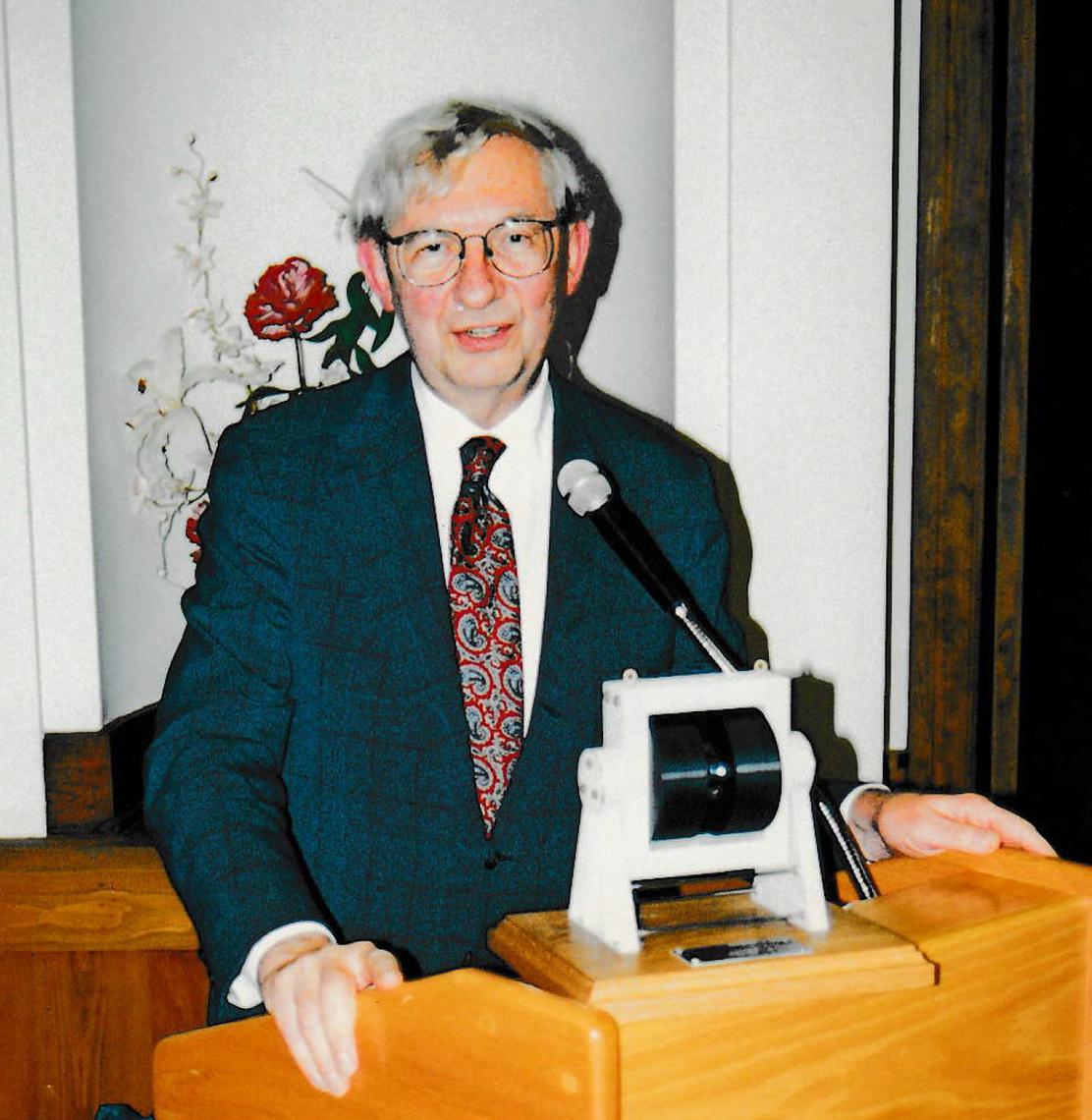
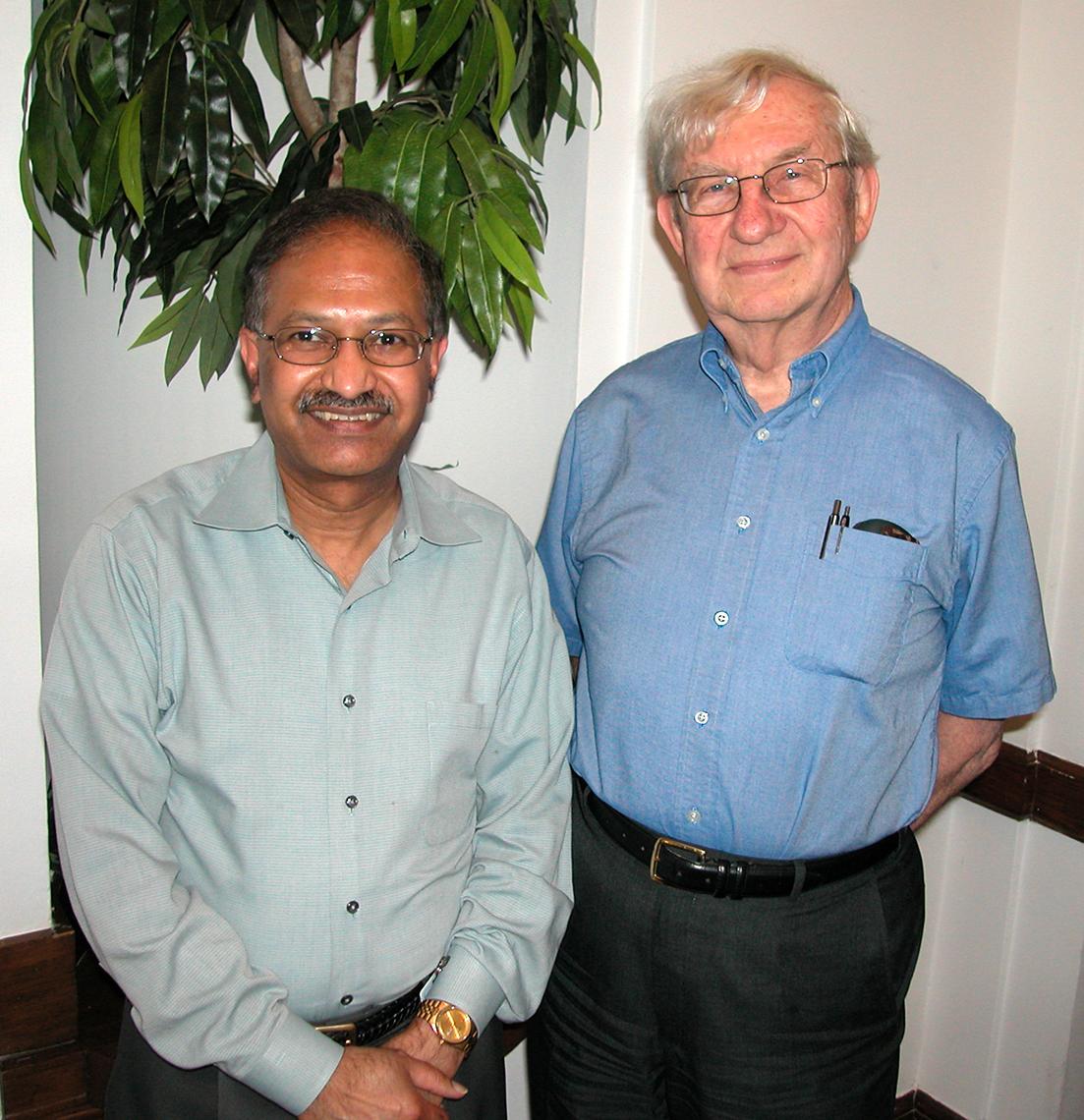
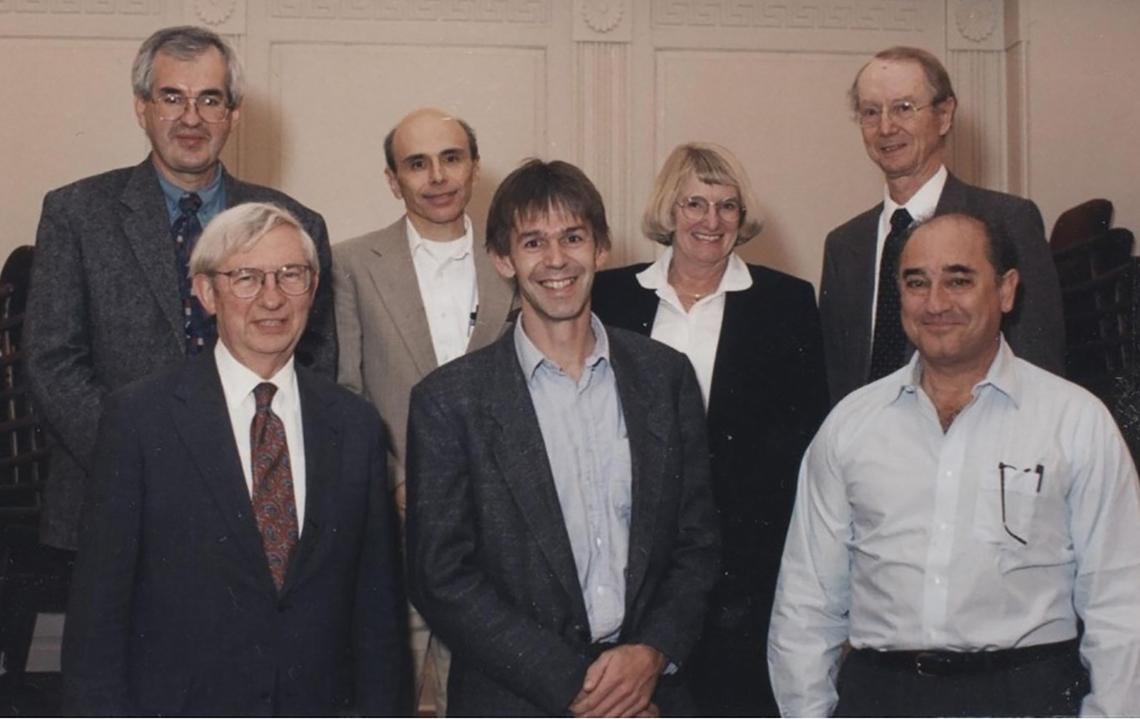
Dr. Ted Becker, one of the first physical chemists at NIH, recently passed away shortly after his 95th birthday. With his passing, the magnetic resonance imaging (MRI) community lost a passionate leader and supporter who dedicated much of his career to helping others.
Becker received his Ph.D. in chemistry from UC Berkeley in 1955. Although recruited by major companies, he chose to work at NIH, where he believed his work would have the most impact.
Becker’s research initially focused on Raman spectroscopy. He switched his focus to Nuclear Magnetic Resonance (NMR) when the first commercial instrumentation became available in the late 1950s. His research covered a broad area, ranging from methods development for enhancing sensitivity of Fourier transform NMR to the study of hydrogen bonding, molecular self-assembly, and hemoglobin gelation kinetics related to sickle cell disease.
In 1980, Becker switched to the administrative side, taking on the huge task of facilitating research as NIH associate director for research services. In that role, his responsibilities encompassed much of the day-by-day operations, including building management, security and procurement. He succeeded in dramatically reducing the paperwork required for small purchases, a change that positively impacted the entire NIH research community.
In the early 1980s, Becker foresaw the profound impact that NMR technology would have on medicine. At a time when MRI and Magnetic Resonance Spectroscopy (MRS) were still emerging techniques, he recognized their potential for non-invasive diagnosis and research.
The NIH campus was already home to exceptional scientific expertise. Yet the hurdles were formidable: the technology was expensive, and the powerful magnets used in MRI demanded large, dedicated spaces.
Rather than let these obstacles deter progress, Becker envisioned a cooperative solution. He proposed creating a centralized NMR research center that would serve the needs of multiple institutes for access to emerging MRI/MRS techniques.
Through his efforts, a new facility was constructed adjacent to the Clinical Center, housing two bays—one with a 1.5 Tesla MRI system for human research and another reserved for hardware development and future technologies. In addition, two other MRIs for animal experimentation were included.
Becker also developed an innovative funding model to ensure the NMR Center’s long-term viability. A steering committee with representatives from all contributing Institutes oversaw scheduling, operations and strategic direction. The NMR Center eventually expanded to include nine human-scale MRI scanners ranging in field strength and a state-of-the-art mouse imaging facility.
More than 30 groups use the human MRIs and over 100 protocols are active in the animal imaging facility from almost every NIH institute. Becker’s approach laid the foundation for the NIH-wide collaboration model that continues to guide shared resources to this day. His framework became the basis for the NIH Shared Resources Subcommittee (SRS) of the scientific directors, which now oversees 17 shared resources with over $25 million annually invested in a variety of cooperative research efforts.
Becker devoted most of his life to helping his scientific colleagues at NIH, in the worldwide magnetic resonance community, and beyond in the international chemistry community. For two years, he served as acting director of the Fogarty International Center, and as associate director for international research from 1979-1981. Beyond NIH, he chaired the International Activities Committee of the American Chemical Society from 1993-95, and he took on the role of secretary-general of the International Union of Pure and Applied Chemistry (IUPAC).
Becker published more than 100 papers in the area of molecular spectroscopy and nuclear magnetic resonance. He authored two popular NMR textbooks and was the principal editor for Volume 1 of an NMR encyclopedia that contains a treasure of personal perspectives on the early stages of magnetic resonance.
Becker loved teaching the next generations of scientists, and for nearly 40 years he taught physical chemistry at Georgetown University and the Foundation for Advanced Education in the Sciences (FAES) Graduate School at NIH. He also received numerous national recognitions for his work.
Becker loved and breathed scientific research, magnetic resonance in particular. The entire NIH community continues to benefit from the work he carried out so selflessly to help others. —Robert Balaban, Ad Bax, Alan Koretsky, Robert Tycko