NIH Mourns Passing of Schechter
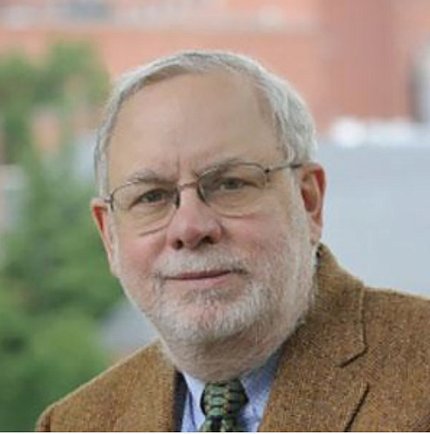
Dr. Alan Neil Schechter, a world-renowned figure in biomedical research, died in October, following a distinguished career spanning more than six decades at NIH. He was 86.
Arriving at NIH in 1965 to join NIH’s intramural program, Schechter exemplified the physician-investigator ideal. His career arc traced the evolution of modern molecular medicine, from foundational studies to pioneering translational research.
Schechter received his medical degree from Columbia University’s College of Physicians and Surgeons, following his undergraduate studies at Cornell University. He completed his clinical training in internal medicine at the Albert Einstein College of Medicine before joining the Laboratory of Chemical Biology at NIH’s National Institute of Arthritis and Musculoskeletal and Skin Diseases (then NIAMD), where he trained under the Nobel laureate Dr. Christian B. Anfinsen.
Early in his career, Schechter made seminal contributions to the canonical studies of protein folding, publishing landmark papers on the kinetics and thermodynamics of protein denaturation and renaturation. His mastery of biophysical techniques and keen insight into protein structure established him as a leading investigator in the field.
Sickle Cell Disease Research
In 1972, Schechter was appointed chief of the Section on Molecular Biology and Genetics of NIH’s National Institute of Diabetes and Digestive and Kidney Diseases (NIDDK) and, in 1982, he assumed leadership of the Laboratory of Chemical Biology when Anfinsen retired. Under Schecter’s stewardship, the laboratory evolved into a model research program.
His research illuminated the molecular pathophysiology of sickle cell disease, particularly the polymerization of hemoglobin S and its effects on red blood cell deformability and organ damage. His work provided crucial insights that led to clinical trials demonstrating the therapeutic potential of hydroxyurea—findings that transformed treatment approaches for sickle cell patients worldwide. The unit was renamed the Molecular Medicine Branch in 2004.
Nitric Oxide and Vascular Biology
Schechter’s most recent research focused on the biology of nitric oxide as a vasodilator and its role in regulating blood flow, particularly in the context of ischemic disease and sickle cell complications. His investigations opened new therapeutic avenues for cardiovascular and pulmonary disorders. This work generated multiple patents and inspired a new generation of studies on the physiological roles of nitric oxide and related metabolites.
His bibliography encompasses nearly 400 publications. And, his work on sickle cell disease and nitric oxide biology continues to influence clinical practice and research worldwide.
A Life in Service to Science
Schechter was renowned for training and inspiring the next generation of physician-scientists. His mentoring philosophy was distinctive: he taught physicians to think like researchers and researchers to understand clinical medicine. Through his teaching positions at George Washington University, Johns Hopkins University and the NIH Graduate School, as well as his leadership roles at the Foundation for Advanced Education in the Sciences (FAES), Schechter shaped careers and promoted the mission of the physician-investigator.
Schechter’s leadership extended far beyond his own laboratory. He served as acting NIH historian and director of the Office of NIH History and the DeWitt Stetten, Jr. Museum of Medical Research, where his scholarly work documented the landmark achievements of intramural researchers, including the Nobel Prize-winning contributions of Dr. Marshall Nirenberg and Anfinsen. His service on grant review committees, study sections and advisory boards at NIH, the National Science Foundation and other federal agencies reflected the deep trust and respect he earned across the scientific community.
Scientific research was Schechter’s calling, and NIH was his home. His extraordinary gift lay not only in his own discoveries but in his capacity to connect people, ideas and opportunities across disciplines and institutions. He was a scientist’s scientist—rigorous in thought, generous with knowledge, and deeply committed to advancing human health through research.
With his passing, the biomedical research community has lost a founding figure of modern physician-scientist training, a pioneer in translational medicine and a champion of scientific integrity. His legacy endures in the investigators he mentored, the patients who benefited from his research, and the culture of rigorous, ethical science he helped to establish at NIH and beyond.
Schechter is survived by his wife, two children, and four grandchildren.