NIH to Fund Long-Term Health Studies for Ohio Town after 2023 Train Derailment
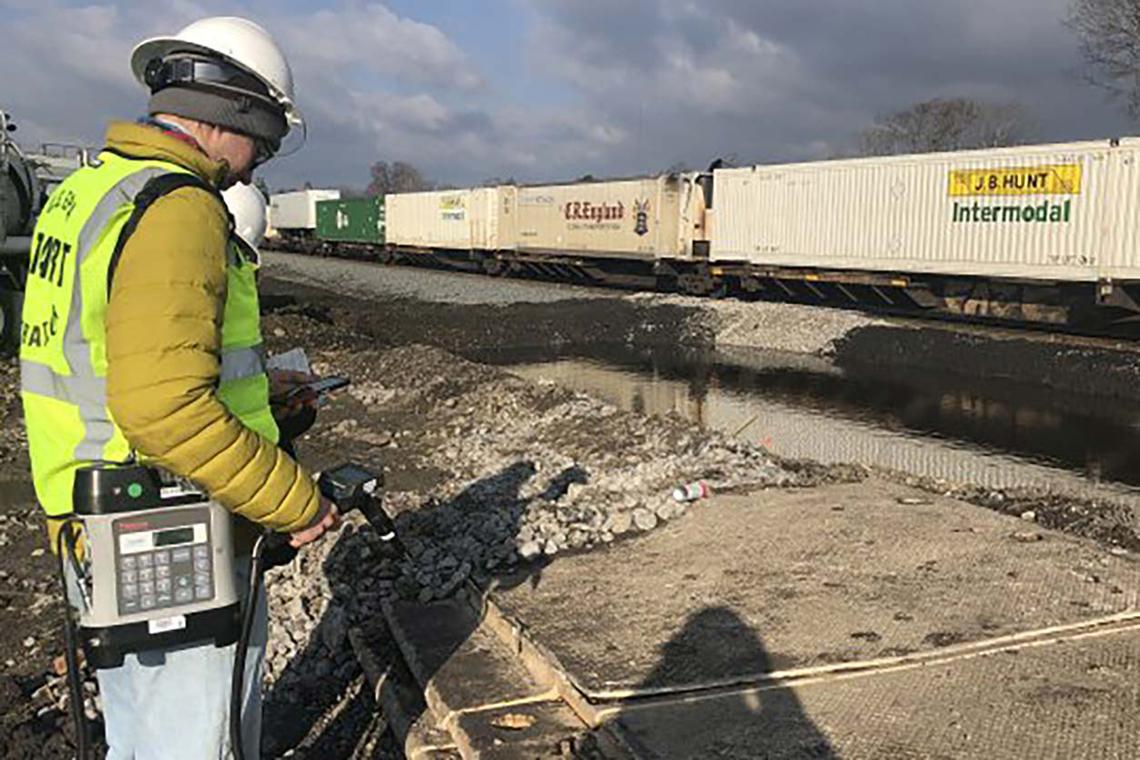
Photo: EPA
NIH has launched a five-year, $10 million research initiative to assess and address the long-term health outcomes stemming from a 2023 train derailment.
On Feb. 3, 2023, a 38-car freight train carrying hazardous materials derailed in the town of East Palestine, Ohio. Some of the train cars—which were carrying vinyl chloride, butyl acrylate, ethylene glycol, and benzene residue— caught fire and burned for days; some spilled their loads onto the ground. The chemicals traveled into local waterways and flowed for miles.
Following the derailment, emergency responders conducted controlled burns, which raised concerns about the airborne release of hydrogen chloride and phosgene. Since the accident, local, state and federal agencies, including NIH, have been part of a coordinated response to support the affected communities in Ohio and Pennsylvania.
Community members experienced and reported a range of initial health symptoms—including headaches as well as respiratory, skin and eye irritations—prompting concern about broader long-term impacts on maternal and child health as well as psychological, immunological, respiratory and cardiovascular effects.
“NIH is working to ensure that the people of East Palestine and the surrounding communities are listened to, cared for and get the answers they deserve,” said NIH Director Dr. Jay Bhattacharya. “This multi-disciplinary research program will focus on public health tracking and surveillance of the community’s health conditions to support health care decisions and preventive measures.”
The studies will focus on:
- Longitudinal epidemiological research to understand the health impacts of exposures on short- and long-term health outcomes, including relevant biological markers of risk
- Public health tracking and surveillance of the community’s health conditions to support health care decisions and preventive measures.
- Extensive, coordinated communications among researchers, study participants, community stakeholders, health care providers, government officials and others to establish a comprehensive approach to address the affected communities’ health concerns.
The deadline to submit research proposals is July 21. The studies will start this fall. For information on these research opportunities, see: https://go.nih.gov/yrXr4R6.
“The announcement today of the funding for long-term health studies for the people of East Palestine is great news for the community,” Ohio Governor Mike DeWine said. “This funding will enable the people of East Palestine to have the peace of mind that comes from knowing that any potential for long-term health effects will be studied by the scientists at the NIH.”
Rep. Dave Joyce (R-OH) said, “Programs like these, in coordination with other federal, state, and local partners, are critical to ensuring the impacted communities can move forward with the essential tools and knowledge to safeguard their long-term well-being. I look forward to continuing to work with the Administration and my colleagues in Congress to enact my bill, the East Palestine Health Impact Monitoring Act, and similar programs that advocate for the long-term recovery of the region.”