Radiation Biostatistics Expert Retires
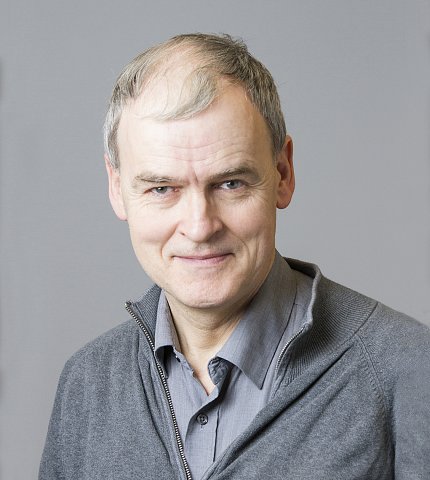
Dr. Mark Little, senior investigator in the National Cancer Institute’s Radiation Epidemiology Branch (REB), retired in June. Little is an internationally recognized expert in radiation biostatistics.
During his tenure in REB, Little focused on the study of ionizing radiation and risk of cancer, cataracts and cardiovascular disease, as well as solar ultraviolet radiation and risk of basal cell carcinoma, hemopoietic malignancies and brain tumors. He developed novel statistical models to estimate and account for measurement error, allowing for the identification of mechanisms of carcinogenesis and related radiobiological endpoints.
Little also served as the lead statistician in the UK-NCI study of cancer risk following pediatric CT exposure and assessed thyroid cancer risk in persons exposed in childhood to radioactive fallout following the 1986 Chornobyl accident.
Among his most important contributions were efforts to quantify the health risks in populations exposed to low and very low doses of environmental, occupational and medical sources of radiation. This aspect of radiation epidemiology is of considerable public health importance as most of the world’s population experiences exposures in this range. Importantly, he developed methods to assess and address measurement error (in particular, shared errors) and explore the likelihood of dose thresholds.
Little studied mathematics at Trinity College, Cambridge, and obtained his doctorate in mathematics at New College, Oxford, both in the United Kingdom.