Brazil Approves Dengue Vaccine Developed at NIH

After 25 years of research and clinical development at NIH’s National Institute of Allergy and Infectious Diseases (NIAID), the world’s first single-dose dengue vaccine was approved in December for use in Brazil.
Dengue fever is a mosquito-borne illness widespread in tropical regions, endemic in Brazil. Spread by infected Aedes mosquitoes, the viral disease causes severe flu-like symptoms and can be life-threatening. Over the past 25 years, more than 20 million Brazilians contracted dengue; last year alone, more than 6 million probable cases of dengue were registered in the country and thousands died from it.
The vaccine—Butantan-DV—is produced by Instituto Butantan, an organization linked to São Paolo State Department of Health, and was approved by Anvisa, Brazil’s National Health Regulatory Agency, for use in the Brazilian population, ages 12 to 59. The vaccine is expected to be included in Brazil’s National Immunization Program (PNI).
Even before the approval, Instituto Butantan had already started producing the vaccine in its industrial park, with more than a million doses ready to be incorporated into the PNI. The official launch of Butantan-DV in Brazil begins this month with an expected 30 million doses this year.

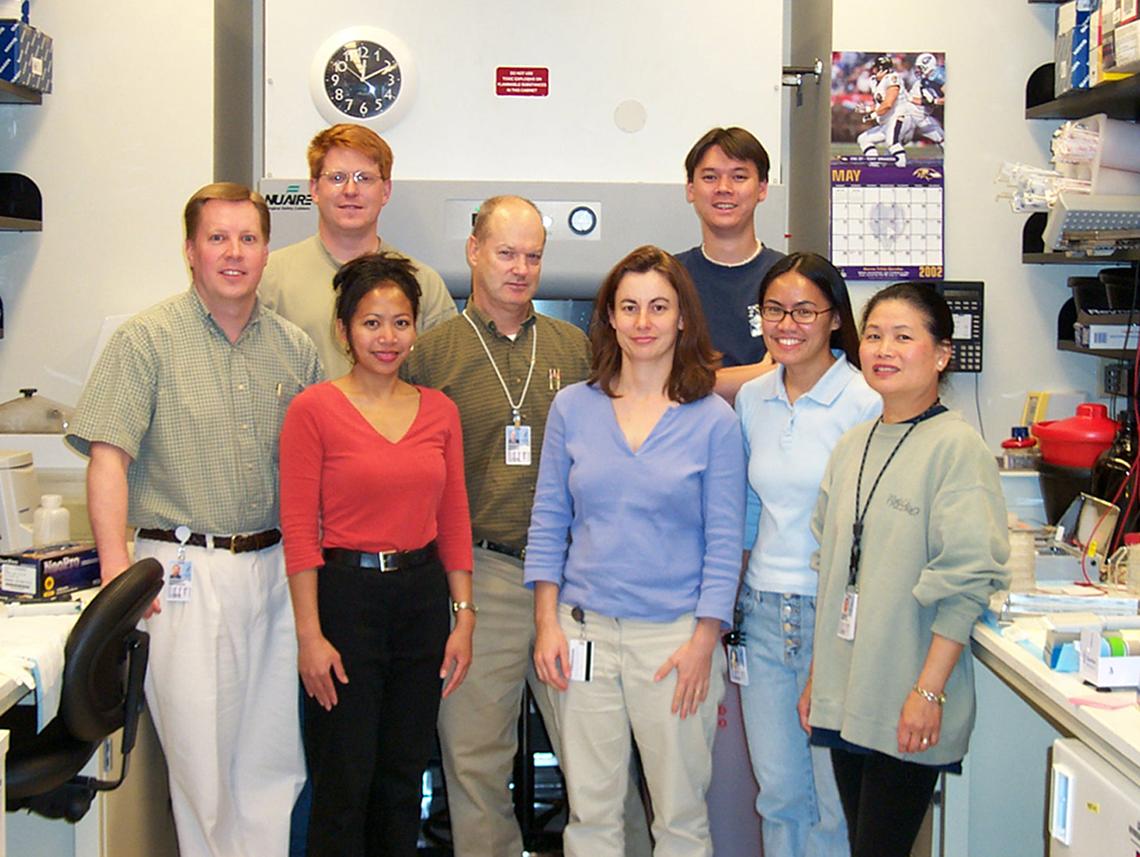
“Many people at NIAID have been involved in this process and it is a success story both for the science and technology transfer,” said NIAID’s Dr. Stephen Whitehead, the lead inventor on dengue vaccine technology licensed to several companies and institutes across the world for commercial development and late-stage clinical evaluation.
Butantan Institute in São Paolo recently completed a pivotal 5-year efficacy study throughout Brazil. The vaccine—which is tetravalent, meaning it’s effective against the four dengue strains—demonstrated nearly 75% overall efficacy, with 91% efficacy against severe dengue and 100% efficacy against dengue hospitalizations. The study, conducted between 2016 and 2024, evaluated Butantan-DV in more than 16,000 volunteers living in 14 Brazilian states.
“We hope this is just the beginning of approval for this vaccine,” said Whitehead. Phase 3 trials are underway in Southeast Asia (Merck) and India (Panacea Biotec), with Serum Institute of India to open a study in 2026.